How Investa turned design from output into direction
Proof of Our Impact
From idea to funded product
Turned an early concept into a working prototype, enough to raise the seed round and form the company.
Design became direction
Replaced ad-hoc UI requests with structured problem-solving. Less rework, clearer decisions.
A record-breaking crowdfund and an industry award
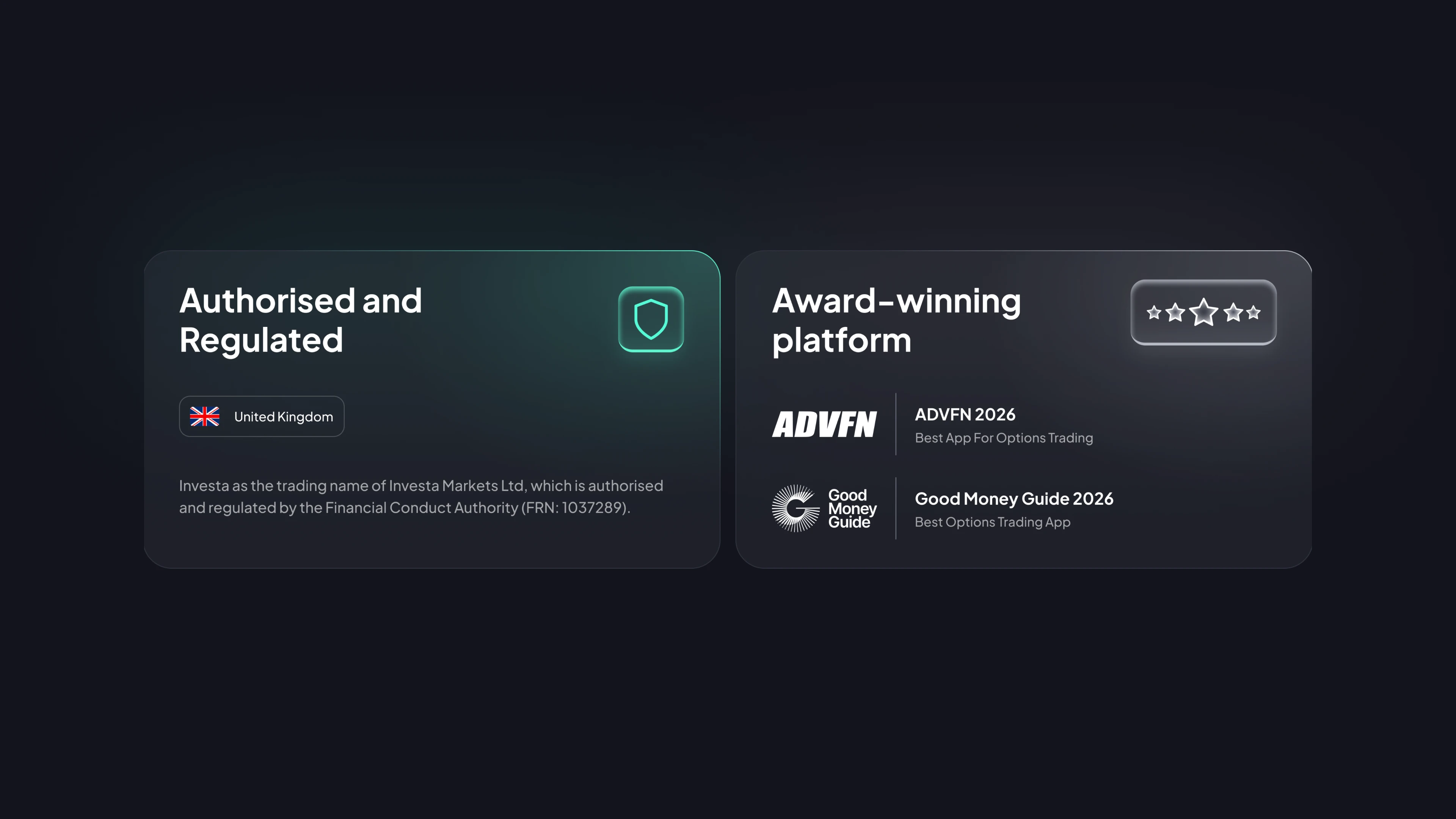
Shaped the product behind Investa’s Crowdcube raise, the most-backed UK fintech crowdfund on the platform in 2024 (overfunded 220%, nearly 500 investors), and a Best App for Options Trading win at the 2026 ADVFN International Financial Awards.
I have worked with Raise Studio on multiple projects and I can not fault the service they provide.
Ross Lynch
Co Founder & COO at Investa
The team is always on hand to make any amendments and give honest feedback to help make the project the best it can be even if it means more work for them!
Investa is the UK’s first zero-commission trading app. Their mission is to make sophisticated investing accessible to everyone by removing jargon, lowering barriers, and delivering a clean, transparent trading experience.
When we started working together, there was no product, only an idea. The founders came from finance, not technology, and needed a way to make the concept tangible enough to raise capital.
What began as a prototyping engagement evolved into a long-term design partnership that shaped not just the product, but how design decisions are made across the company.
Making an Idea Credible
At the start, nothing existed beyond the concept. The immediate need wasn’t a full product. It was a convincing representation of one, clear enough to communicate the idea and raise early funding.
We designed the key flows and screens, enough to make the idea feel like a real product. This became the foundation they used to secure their seed round. Without that step, the company wouldn’t have moved forward.

The Limits of Execution
As the product moved forward, the working model became highly execution-driven.
Requests came in as UI changes and iterations:
- Adjust this screen
- Add this feature
- Refine this interaction
Design was treated as output, not as a tool for thinking. This created several issues:
- Decisions happened without full product context
- Interactions stayed undefined, so development filled the gaps with guesses
- Misalignment drove rework up
Some ideas looked good on screen but missed on usability and product value.
At this stage, we weren’t responsible for the outcome, only the output.
Taking the Initiative: Leading with Strategy
We identified a gap:
There was no structured thinking guiding the product.
Instead of pushing for a process change directly, we introduced it through a contained project.
The team approached us to create a set of 3D assets for marketing.
Rather than executing immediately, we reframed the request:
- What should these visuals communicate?
- What is the underlying message?
- What tone and energy should they carry?
- How do they connect to the product experience?
We asked a simple question:
Do you have a defined visual strategy, or would you like us to build one?
They chose the latter.
Proving the Model
We developed a structured visual system for their 3D assets:
- Defined visual language and motifs
- Consistent material and lighting logic
- Scalable usage across product and marketing
This wasn’t just a set of assets. It was a system.
The result reset what they expected from design.
For the first time, design wasn’t execution. It was direction.
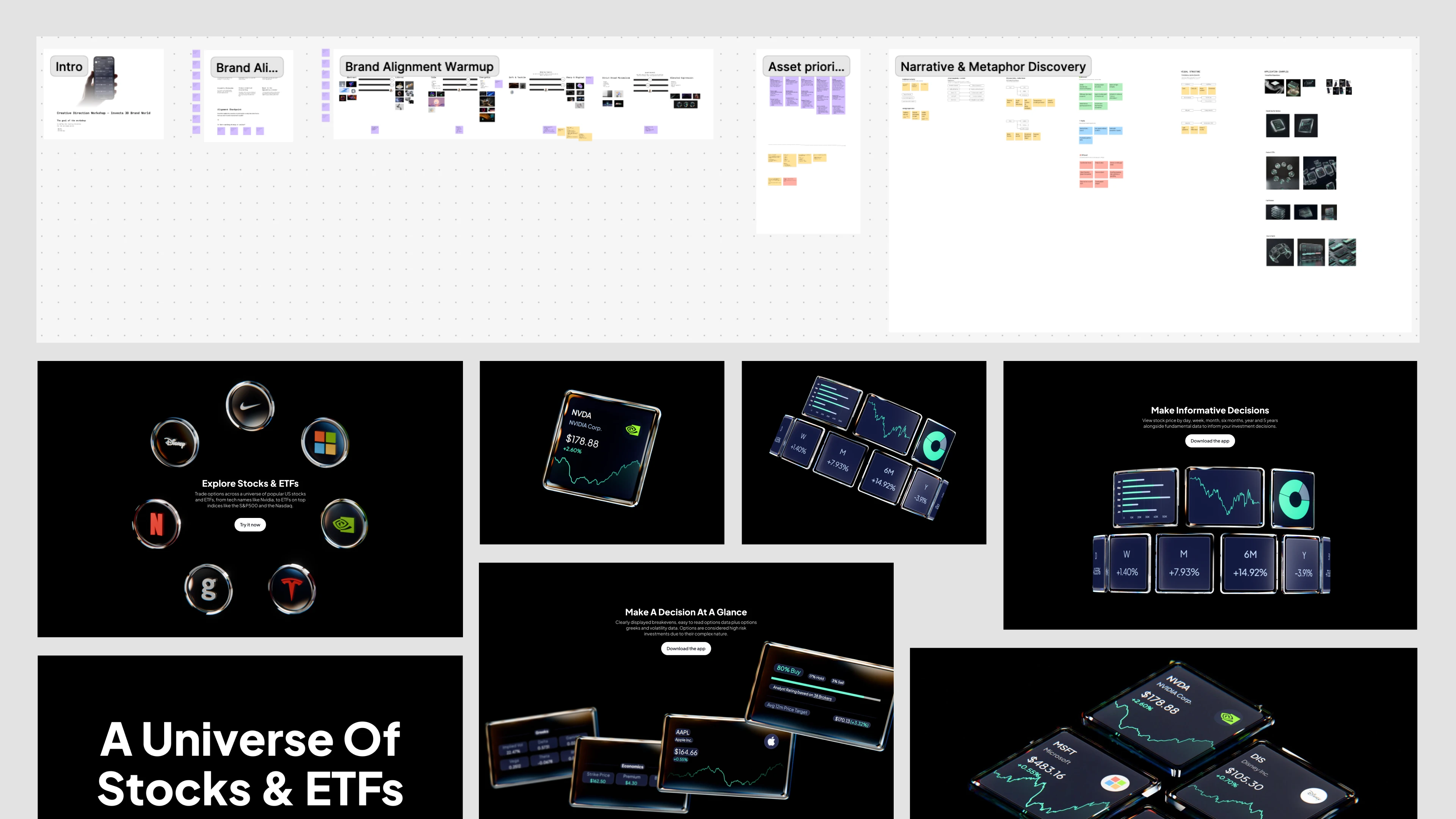
Creative direction workshop for 3D assets.
Changing How Work Happens
Following that project, the collaboration shifted.
Instead of starting with predefined solutions, we started with problems.
We introduced:
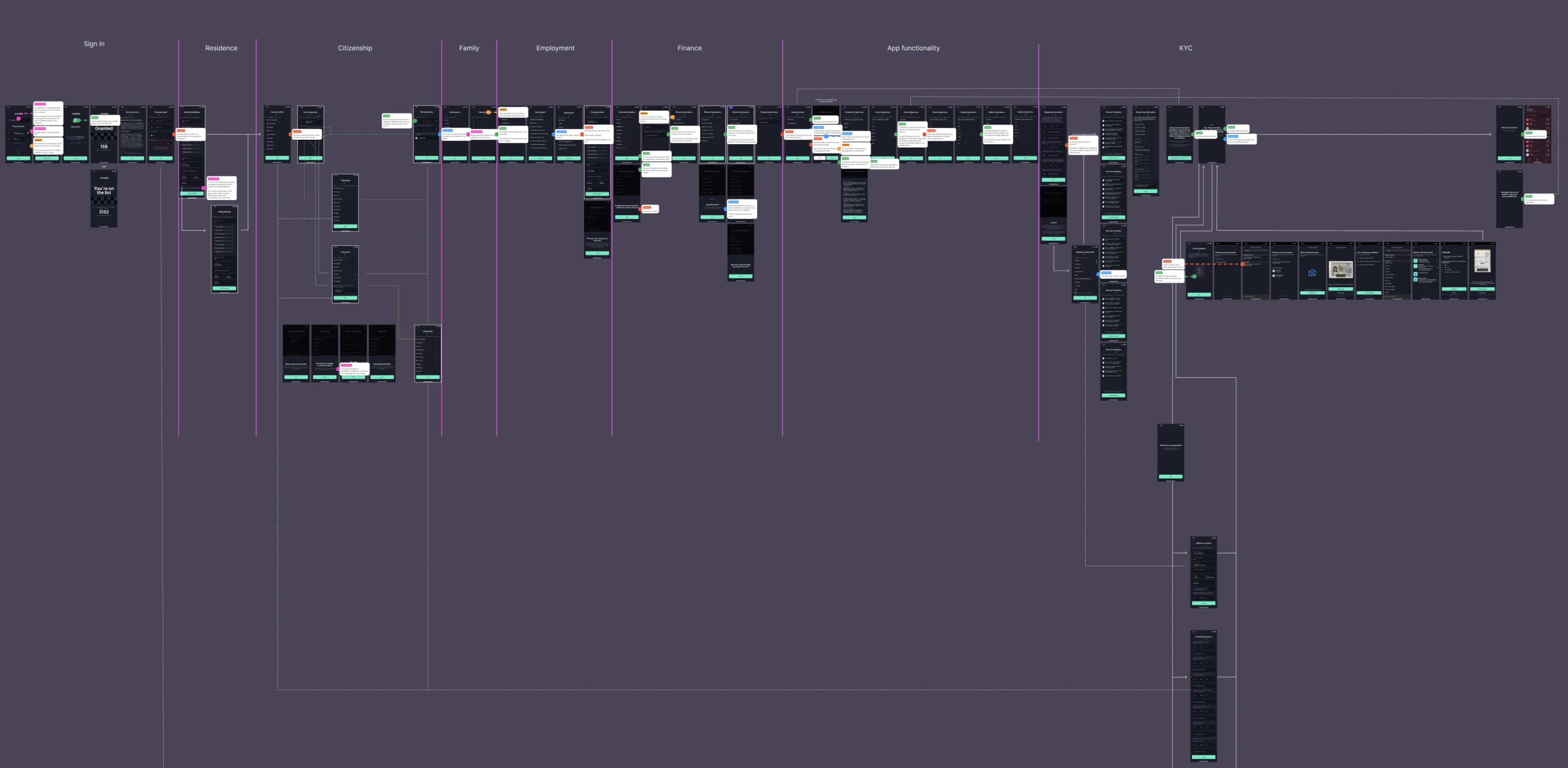
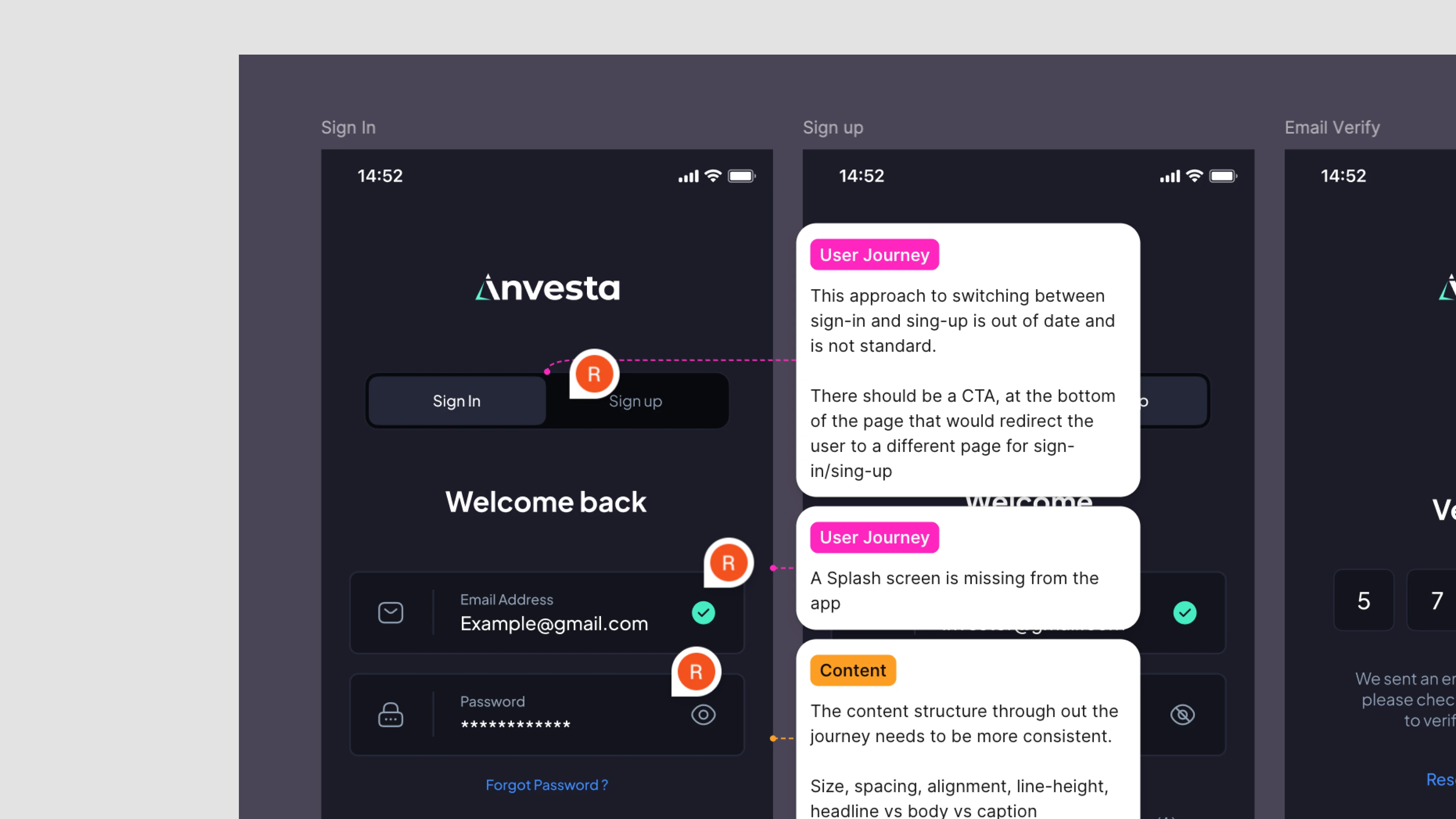
- Design audits to identify underlying issues.
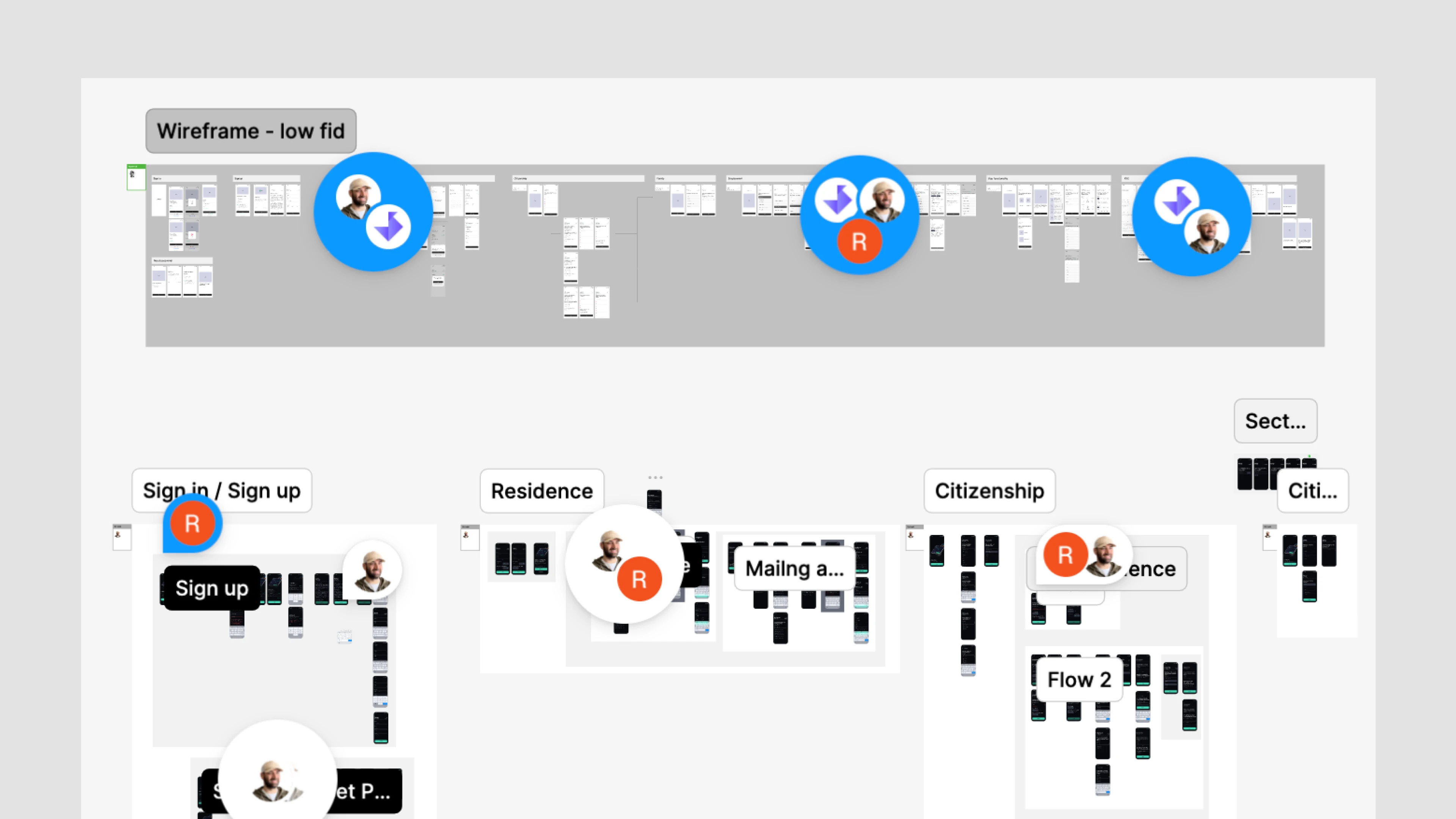
- Structured documentation as a shared source of truth.
- Journey mapping and storyboarding before UI design.
The workflow evolved from “Design this screen” to “We have this problem. How should we solve it?”.
This reduced ambiguity, improved decision-making, and minimized development rework.
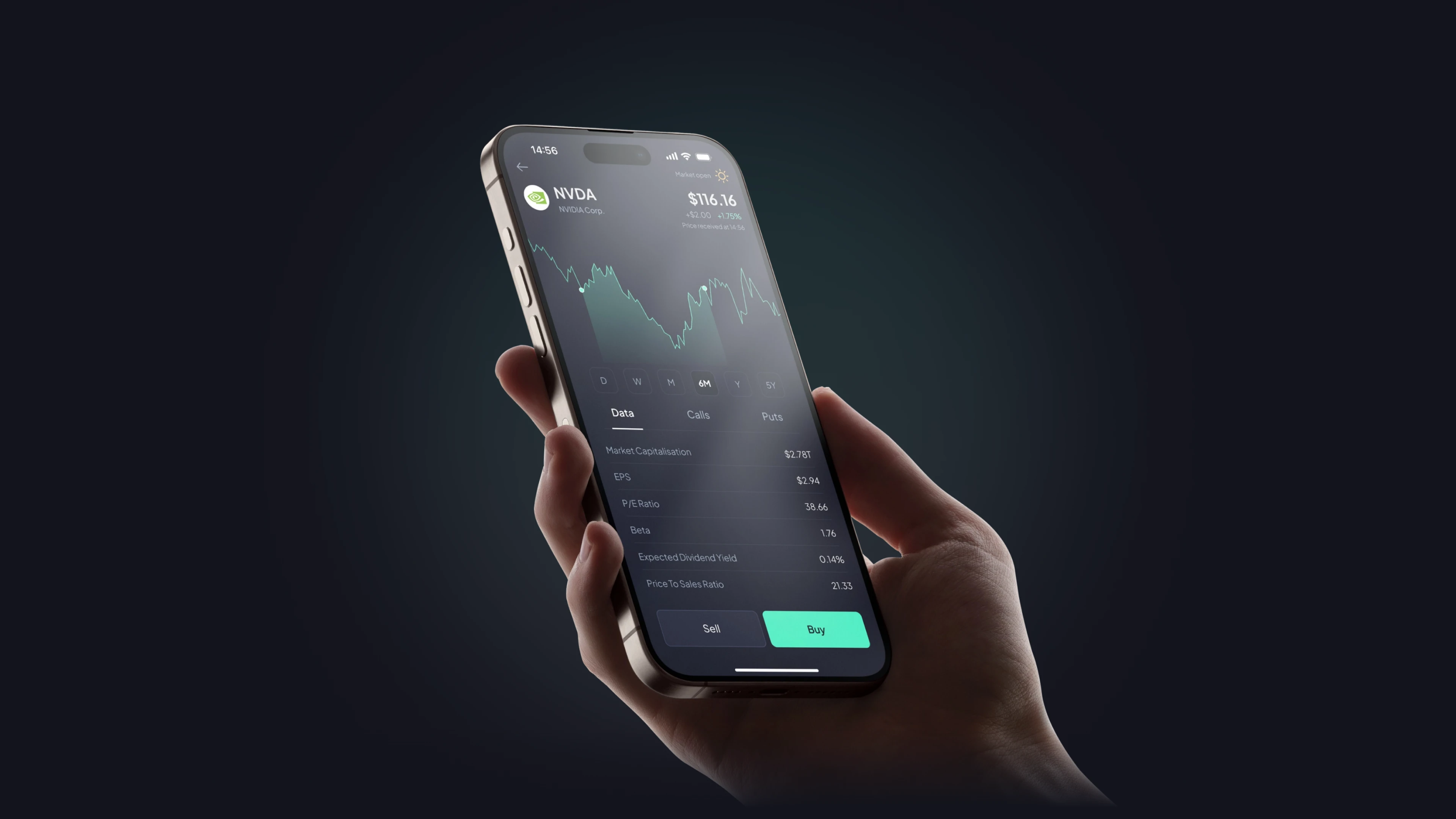
Designing for Constrained Experiences
Today, our work focuses on core product and growth challenges.
One of the main constraints is regulatory:
Trading apps require users to provide a significant amount of information during onboarding.
This creates friction at the most critical point of the product.
Our role is to design flows that:
- Reduce perceived complexity
- Maintain clarity and trust
- Keep users engaged through long processes
We approach this by:
- Structuring and sequencing information carefully
- Making progress visible and understandable
- Using motion and illustration that support interaction rather than distract from it
- Building a consistent design system across iOS and Android
This thinking extends beyond onboarding into activation and referral flows, where clarity and engagement directly drive growth.
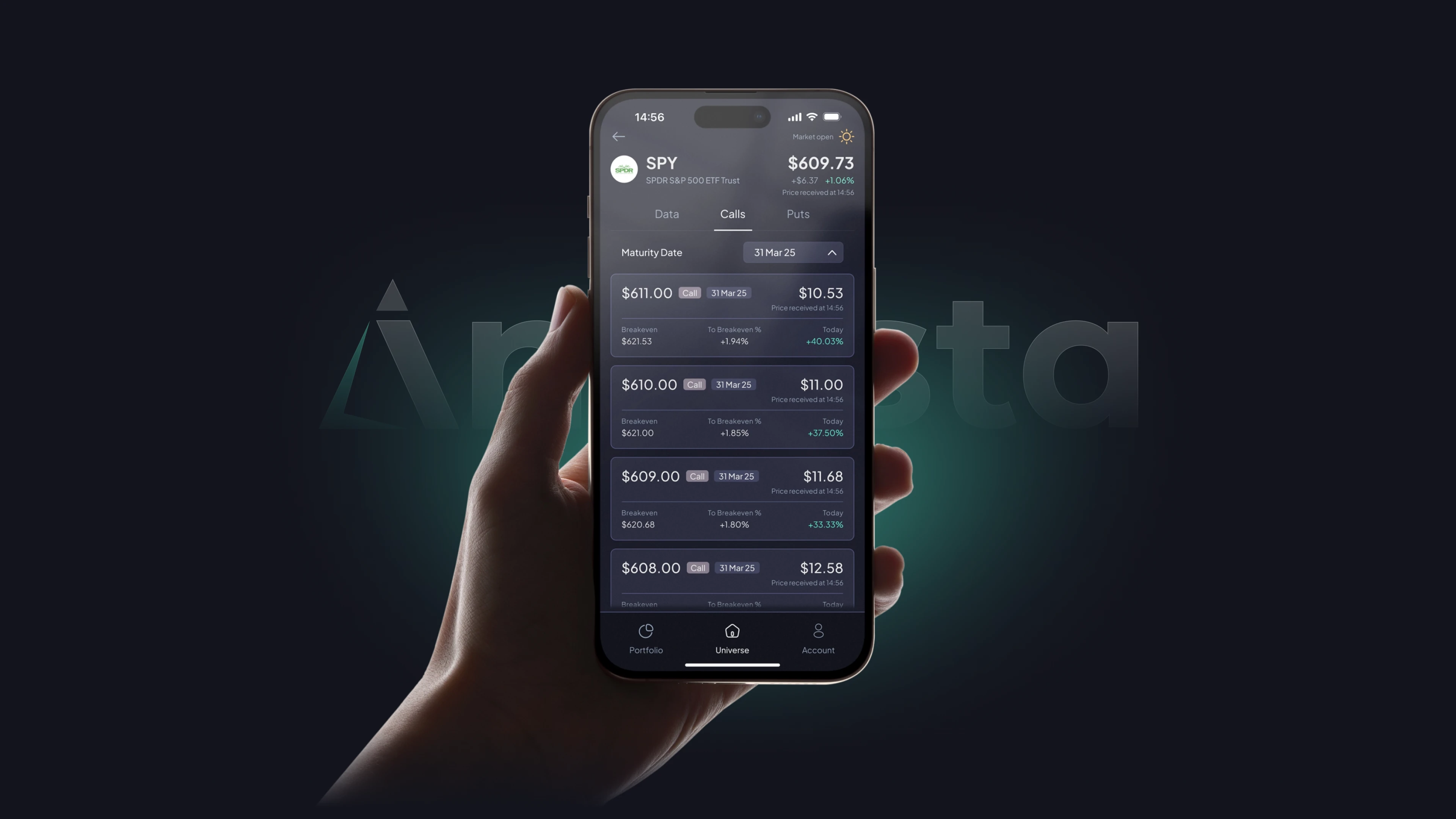
Ongoing Partnership
Our role today spans:
- Product design
- Design systems
- Marketing and website (Webflow)
- Visual direction and content
But more importantly, we act as a design partner embedded in decision-making, not just delivery.
Investa’s growth, from idea to record-breaking crowdfunding and industry recognition, required more than execution.
It required a shift in how design is used:
- From output to thinking
- From requests to problems
- From isolated screens to connected systems
That shift became the foundation for everything that followed.
Results and Impact
From idea to funded product
Turned an early concept into a working prototype, enough to raise the seed round and form the company.
Design became direction
Replaced ad-hoc UI requests with structured problem-solving. Less rework, clearer decisions.
A record-breaking crowdfund and an industry award
Shaped the product behind Investa’s Crowdcube raise, the most-backed UK fintech crowdfund on the platform in 2024 (overfunded 220%, nearly 500 investors), and a Best App for Options Trading win at the 2026 ADVFN International Financial Awards.